
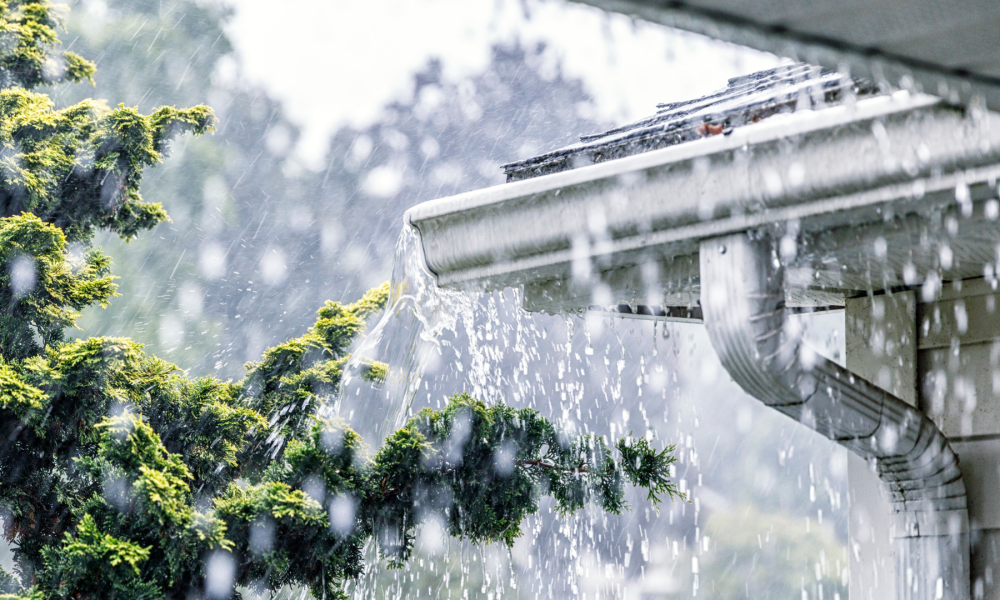
Severe convective storms — commonly known as thunderstorms — are becoming one of the biggest weather threats facing homeowners across much of the U.S.
These storms can develop quickly and bring destructive winds, hail, lightning, flash flooding and tornadoes. Strong winds and lashing rain can damage siding, windows and roofs, while falling branches can cause significant property damage.
In 2025, 10 severe storm and derecho events each caused more than $1 billion in damage, according to Climate Central, a nonprofit research organization. Many of those storms affected communities across the eastern two-thirds of the country.
While states in the Plains, Midwest and Southeast are especially vulnerable, severe thunderstorms can occur almost anywhere in the U.S. Most homeowners should prepare long before dark clouds appear.
Protecting your family
Every household should have a plan for where to take shelter during high winds or tornado warnings. The safest place is usually a basement or an interior room on the lowest floor of the home, away from windows and exterior walls.
Families should also keep an emergency kit that contains at least:
- Bottled water
- Flashlights and batteries
- First-aid supplies
- Portable phone chargers
- Prescription medications
- Nonperishable food
Since severe storms often knock out power, it’s also smart to keep vehicles fueled and phones charged when dangerous weather is forecast.
Pay close attention to weather alerts on your phone, television or NOAA weather radio. Understand the difference between these two terms:
- A “watch” means conditions are favorable for severe weather.
- A “warning” means dangerous weather is occurring or imminent, and you should take shelter immediately.
Protecting your home
Wind and hail cause some of the most common and expensive storm losses for homeowners. Before storm season arrives, inspect your roof for loose or damaged shingles and make repairs promptly. Trim tree limbs hanging near the home, since falling branches are a major cause of roof and siding damage during thunderstorms.
Homeowners should also:
- Clean gutters and downspouts to improve drainage.
- Secure outdoor furniture, grills and lawn equipment before storms arrive.
- Test sump pumps to reduce the risk of basement water damage.
- Seal windows and doors to keep out wind-driven rain.
If you live in an area with frequent hailstorms, impact-resistant roofing materials may reduce future damage. Park vehicles in a garage when possible or use a protective cover to reduce the risk of hail damage.
Surge protectors can protect electronics and appliances from lightning-related power surges. Homeowners in high-risk areas may also want to consider installing a lightning protection system connected to the home’s electrical system.
What insurance covers
A standard homeowner’s insurance policy may cover damage caused by wind, hail, lightning and falling trees. Vehicle damage from hail or falling branches is often covered under comprehensive auto insurance.
However, flooding from overflowing rivers, creeks, levees or streets is typically not covered by standard homeowner’s insurance policies. Homeowners in flood-prone areas may want to consider purchasing separate flood insurance.
What to do after a storm
After the storm passes, check your property carefully for damage, but avoid downed power lines or unstable structures.
If your home is damaged, contact your insurer as soon as possible. Take photos and videos of all damage before making temporary repairs or cleaning up debris.
If emergency repairs are needed, save receipts for tarps, hotel stays or temporary fixes, as those expenses may be reimbursable under your policy. Avoid attempting major repairs yourself until the property is inspected and it is safe to begin restoration work.
We can help if you need to file a claim or have questions about your coverage. Give us a call.