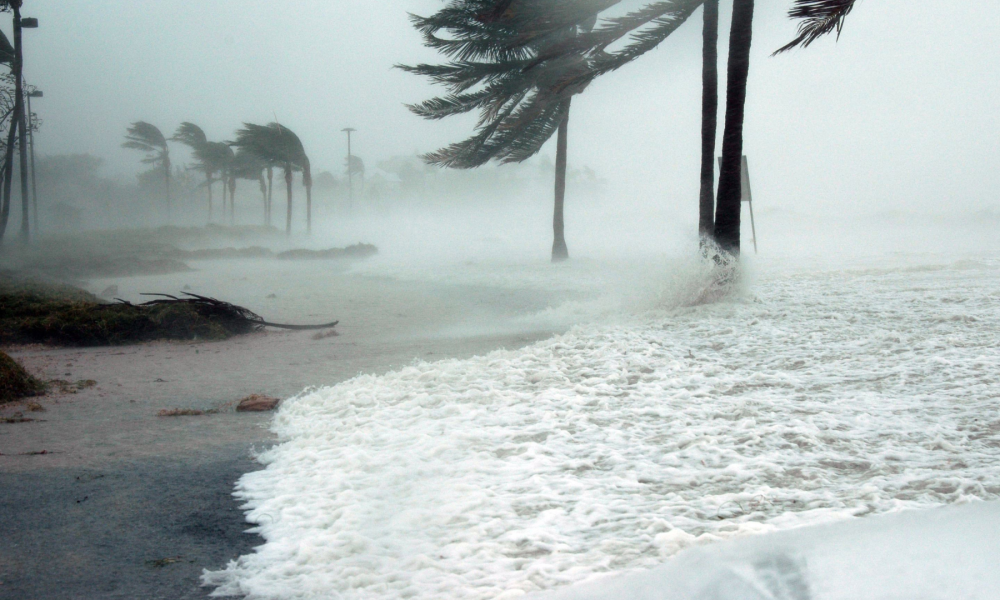
The number of Americans exposed to hurricane risk increases with each passing year amid the growing risks associated with living near the coast along large swaths of the Eastern Seaboard and the Gulf of Mexico.
If you live in an area that is susceptible to hurricanes, it’s imperative that you have an emergency plan and know what to do when it’s time to evacuate. You should also be prepared to file a claim and understand the steps to take before moving back into a damaged home.
The key to getting your claim paid quickly and starting repair work is preparing well in advance. There are two things you can do to make filing your claim much easier:
- Save your insurance documents in the cloud, such as in a Dropbox account or through a similar online service. That way, you can access them from anywhere. You’ll need your homeowner’s insurance policy and, if you have flood coverage, your flood insurance information in case your home is damaged by flooding caused by storm surges.
- Make a home inventory. To expedite your claim settlement, compile a list of your valuable insured property. Several mobile apps can help you create one. Keep receipts or photos of them and record the value of each item. Photograph expensive belongings such as your fridge, TV, stereo and other pricey gadgets.
After the storm
If your home is damaged by a hurricane, keep the following in mind:
- If your house is structurally unsound, has sustained extensive damage or is otherwise unsafe, do not try to it or put yourself at risk.
- Report claims as soon as possible. Most claims processing centers operate 24 hours a day, seven days a week. Prompt reporting can help the process run more smoothly and may result in a faster settlement.
- Before you call, make sure you have your policy number, current address and phone number ready. Provide an alternative address where you can be reached if you cannot yet return home.
Claims tips
Once you file a claim, a catastrophe adjuster will visit your property to assess the damage. Before the inspection, you can take the following steps:
- Take photos of the damage, if you can safely do so.
- Make necessary temporary or emergency repairs. As a policyholder, you have a duty to take reasonable measures to prevent further damage to your property. States set different limits on how much you can spend on these repairs, either as a fixed dollar amount or as a percentage of your coverage limit. Keep all receipts.
- Do not attempt permanent repairs without authorization from your insurer, or the repair costs may not be fully covered.
- Obtain copies of any relevant police or fire department reports.
- Keep receipts for additional living expenses incurred as a result of the storm.
- Don’t throw out any damaged property until after your adjuster has inspected it.
- Prepare a list of questions for your adjuster.
- Get written estimates from licensed and insured contractors.
- If actual repair or replacement costs exceed the estimate originally submitted, ask your adjuster or insurer if you are eligible for a supplemental payment.
- Review your policy to determine what is and is not covered. You can call us for help.
- Understand the limits of your coverage. For example, hurricane or windstorm insurance generally does not cover flood damage. For that, you need a National Flood Insurance Program policy or other coverage. However, if wind tore off part of your roof and rain entered your home, the resulting damage to your drywall and other property may be covered under your hurricane or windstorm policy.
Your insurer will send an adjuster to inspect your property at no cost to you. However, you do not have to rely solely on your insurer’s adjuster.
The adjuster will evaluate the loss under your policy and calculate your settlement according to the terms of your insurance contract, minus any applicable deductibles. Depending on your policy’s terms, the adjuster may also account for depreciation. Your insurer will notify you of your settlement amount or provide an explanation if coverage is denied.
For more information on preparing for and filing a claim, call us or your insurer’s claims center or visit this page from the Insurance Information Institute.