Homeowner’s insurance provides vital protection against a range of risks, including property damage to not only your home but also its contents.
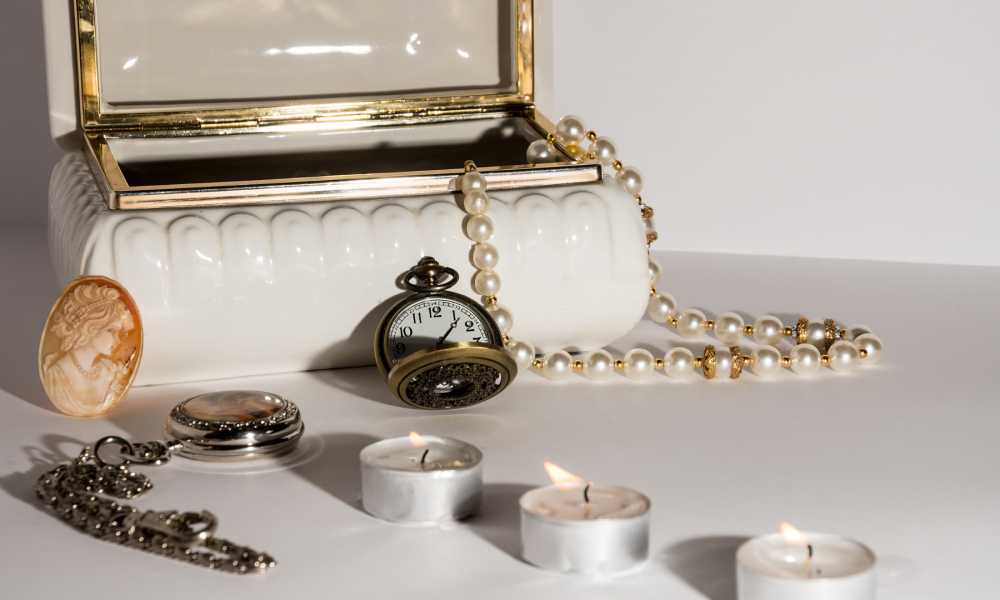
However, not all of your property is equal in the eyes of your insurer. It may limit how much it will pay for the loss of, damage to or destruction of expensive, specialty or rare items, including antique furniture, jewelry, fur coats, watches and collectibles. Often, these “sublimits” can be quite low relative to the value of a single high-end item, which could leave you significantly out of pocket if that $15,000 vintage watch is lost or stolen.
Understanding these sublimits, which are common in homeowner’s and renter’s policies, and securing the right additional coverage are crucial to ensuring your valuables are adequately protected.
What are sublimits?
Sublimits are provisions within your homeowner’s insurance policy that cap the amount the insurer will pay for certain types of property in the event of a covered loss.
It’s essential to recognize that sublimits can significantly impact your ability to recover the full value of high-worth items.
Sublimits are usually placed on items such as jewelry, guns and artwork. They can vary widely, ranging from $1,500 per item with a $2,500 total limit to $5,000 per item with a $10,000 total limit.
You should also remember that any claims for damage or theft are subject to your policy’s deductible.
If you have high-end designer or custom-made clothing that costs thousands of dollars, there’s another issue you may face. Unlike furs, standard designer clothes, haute couture and custom suits are usually lumped into your general household contents category rather than being subject to an explicit category sublimit.
Importance of additional coverage
For homeowners with high-value items that are subject to sublimits, it’s essential to consider additional coverage options to bridge the gap.
This additional coverage provides broader protection for specific items beyond your standard policy’s sublimits. When you add a floater to your homeowner’s or renter’s policy, you move a specific item out of the general “personal property” category and insure it individually for its verified value.
When the coverage is arranged, you must provide a list of all items to be covered and their values. Anything not included on the list may not be covered, so it’s important to be thorough.
You may need to provide receipts and, in some cases, property appraisals.
Most floaters feature a $0 deductible, meaning you may receive full payment for an item that is lost, damaged or destroyed.
Policies typically use one of the following payment structures:
- Replacement cost value — Pays the current cost of buying an equivalent new item up to the policy limit.
- Agreed value — Pays a predetermined amount established during underwriting. Agreed value policies are most common for fine art and antiques.
- Actual cash value — Pays the replacement cost minus depreciation (this is rare for floaters).